Archives
- 2026-09
- 2026-08
- 2026-07
- 2026-06
- 2026-05
- 2026-04
- 2026-03
- 2026-02
- 2026-01
- 2025-12
- 2025-11
- 2025-10
- 2025-09
- 2025-03
- 2025-02
- 2025-01
- 2024-12
- 2024-11
- 2024-10
- 2024-09
- 2024-08
- 2024-07
- 2024-06
- 2024-05
- 2024-04
- 2024-03
- 2024-02
- 2024-01
- 2023-12
- 2023-11
- 2023-10
- 2023-09
- 2023-08
- 2023-07
- 2023-06
- 2023-05
- 2023-04
- 2023-03
- 2023-02
- 2023-01
- 2022-12
- 2022-11
- 2022-10
- 2022-09
- 2022-08
- 2022-07
- 2022-06
- 2022-05
- 2022-04
- 2022-03
- 2022-02
- 2022-01
-
cmv br Interaction between ASK and TRX
2024-12-23
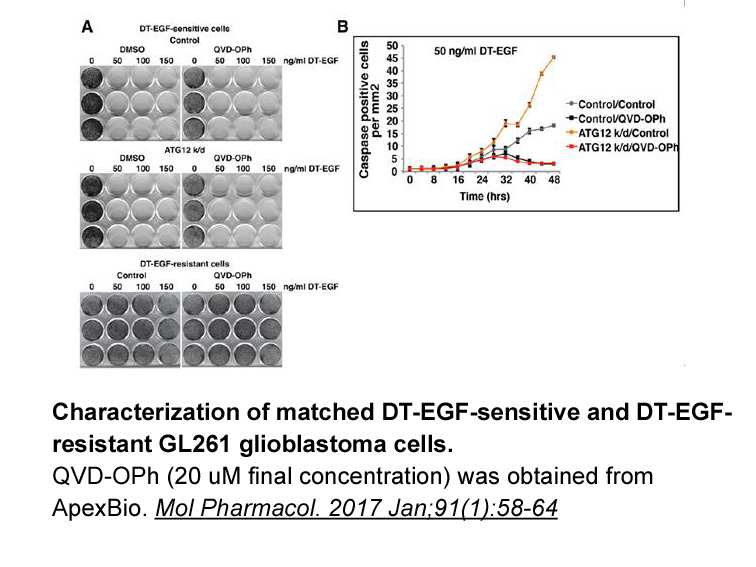
Interaction between ASK1 and TRX Thioredoxins are small (∼12kDa) dithiol oxidoreductases ubiquitously expressed in species ranging from plants to archaea and mammals. They perform various biological functions, such as reducing protein disulfide bonds, supplying reducing equivalents to redox cmv
-
On the other hand key enzymes also involved in
2024-12-23

On the other hand, key DNA recombination enzyme also involved in NO metabolism are nNOS and eNOS. Apparently, during acute ischemia, eNOS activity and NO concentration surge for a short period of time (Schulz et al., 2004) but eventually the expression and activity of the synthase and consequently
-
Among steroid saponins ginsenosides are the active component
2024-12-23
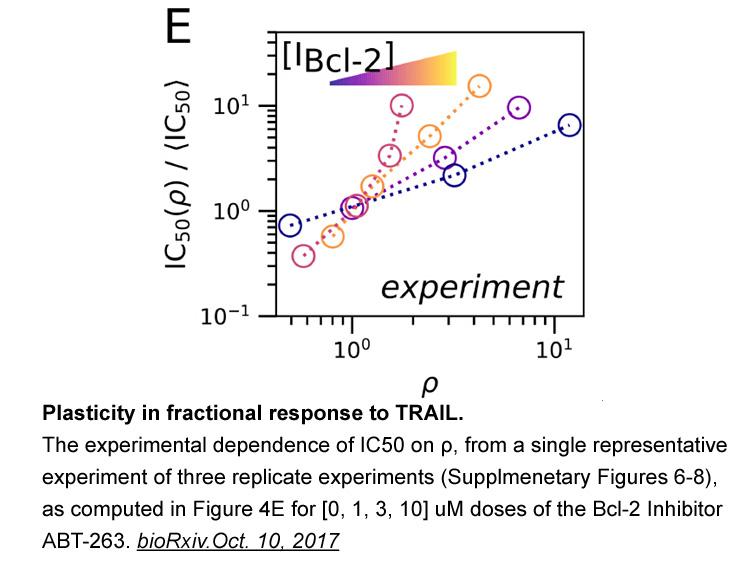
Among steroid saponins, ginsenosides are the active components of ginseng, a well-known chinese medicinal plant. More than hundreds of different ginsenosides have been isolated from ginseng and have shown in the past to be membrane active substances and to influence the membrane by modulating lipid
-
It is noticed that MDL only
2024-12-23
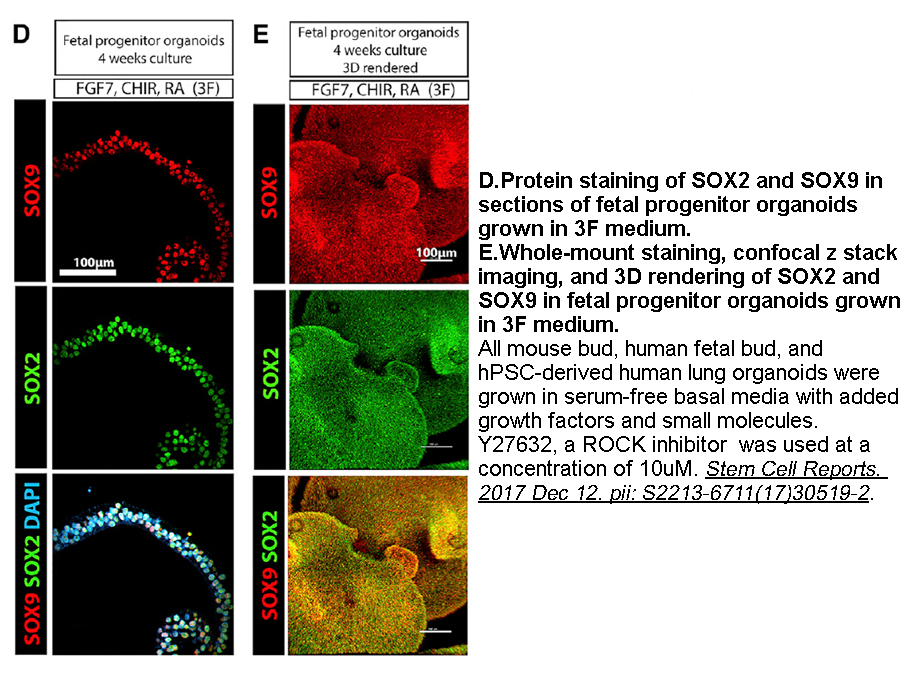
It is noticed that MDL-28170 only partly reversed isoflurane-induced AIF release and nuclear translocation. In addition to calpain mechanism, activation of the DNA repair enzyme poly (ADP-ribose) polymerase-1 (PARP-1) is also essential for AIF release (Culmsee et al., 2005; Moubarak et al., 2007), a
-
br Results A total of respondents completed
2024-12-23
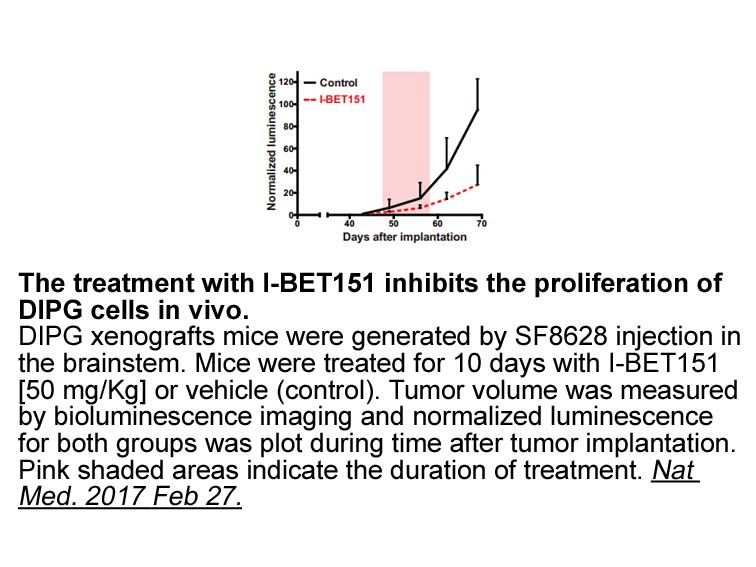
Results A total of 126 respondents completed the survey (68.5% response rate), with at least 65% response rate from each of the four represented sectors (denominators represent the total constituent body of the organization or the total attendees of the meeting): PUC 24 out of 37 (65%), SPUNZA 33
-
The electrokinetic remediation technique is carried
2024-12-23
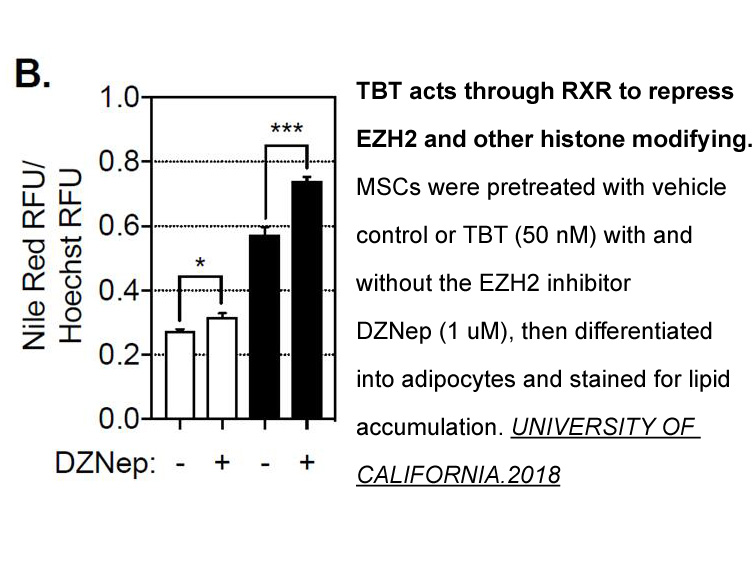
The electrokinetic remediation technique is carried out with a low-level direct current, and the pollutants in soil can be transported and removed by the electric field [19]. This works well even in soil with low permeability via electro-osmotic flow and electro-migration [20]. The electrokinetic pr
-
That increased longevity was not the
2024-12-23
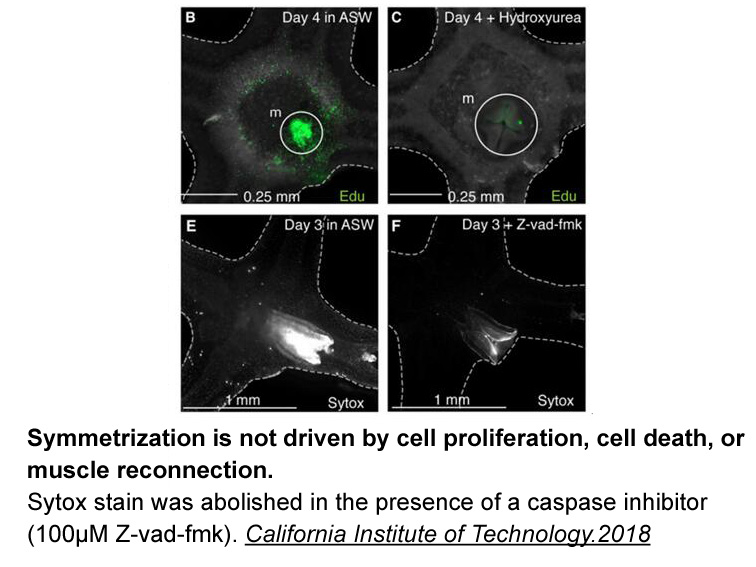
That increased longevity was not the exclusive result of blood pressure reduction. This was demonstrated by analysis of life-long, whole body deletion of AT1A receptors in normotensive mice. These animals exhibited a very significant increase in lifespan when compared to wild- type mice [159], [160]
-
To date attention has been directed
2024-12-23
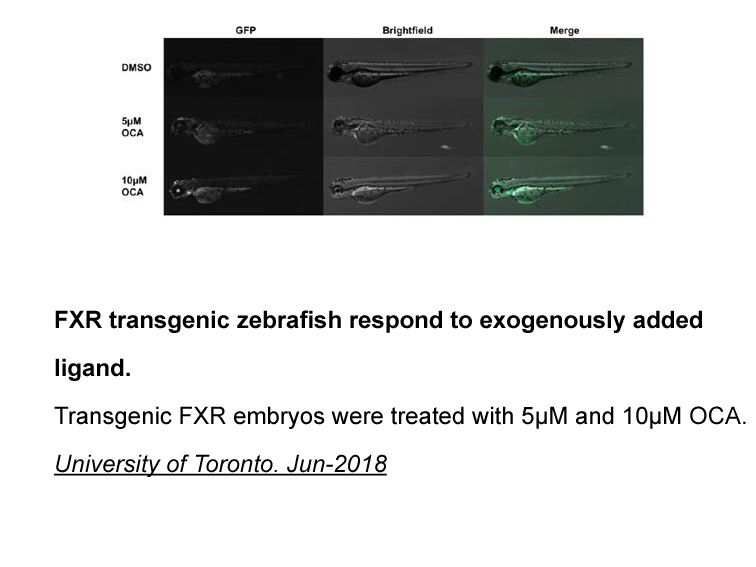
To date, attention has been directed towards new molecular targets in luminal phenotype (ER-positive), such as CDK4/6 and, to a lesser extent, androgen receptor (AR) pathways [8]. While the role of CDK4/6 has been elucidated and their inhibitors have shown a benefit in luminal BC, the role of AR in
-
Luo Dehm Raj Luo Attard Balk Bevan Burnstein Cato Cherkasov
2024-12-23
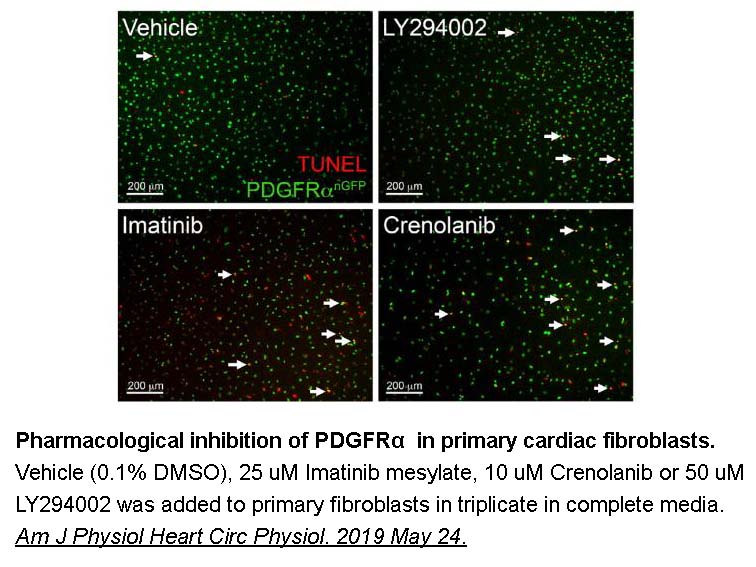
Luo, Dehm, Raj. Luo, Attard, Balk, Bevan, Burnstein, Cato, Cherkasov, De Bono, Dong, Gao, Gleave, Heemers, Kanayama, Kittler, Lang, Lee, Logothetis, Matusik, Plymate, Sawyers, Selth, Soule, Tilley, Weigel, Zoubeidi, Dehm, Raj. Luo, Attard, Balk, Bevan, Burnstein, Cato, Cherkasov, De Bono, Dong,
-
br Study approval br Author contributions br Conflicts
2024-12-21
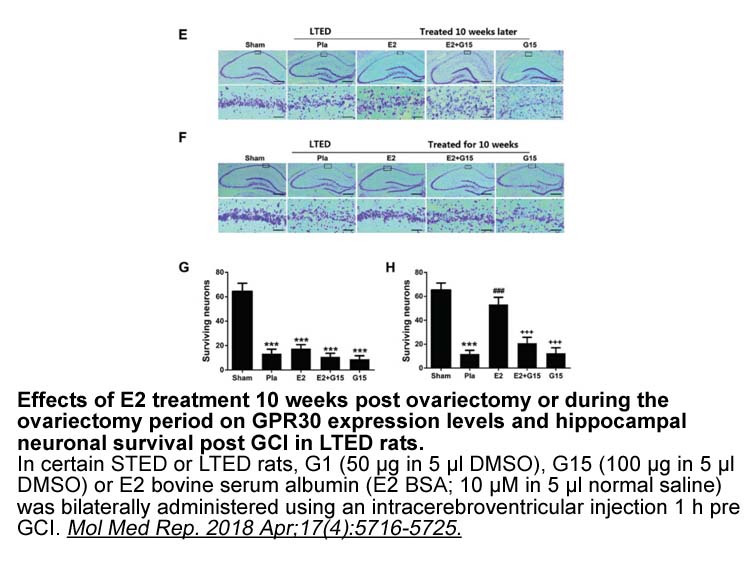
Study approval Author contributions Conflicts of interest Acknowledgements This work was supported by grants of the Youth Backbone Program (to Jianming Ying) of Cancer Hospital, CAMS, Beijing, Beijing Hope Run Special Fund of Cancer Foundation of China (LC2015A06) and the National Natura
-
69 6 The PAS domains of AHR consist of two
2024-12-21
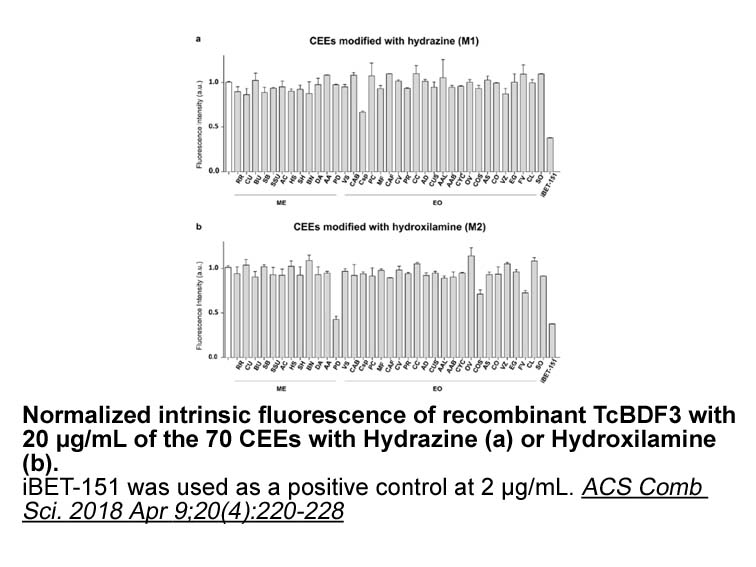
The PAS domains of AHR consist of two regions, PAS-A and PAS-B, which function as interfaces for dimerization with ARNT and for ligand binding, respectively [14]. Although both the bHLH and the PAS-A domains have been shown to be involved in dimerization with ARNT, a recent report suggests that only
-
According to their structures and substrate specificity MMPs
2024-12-21
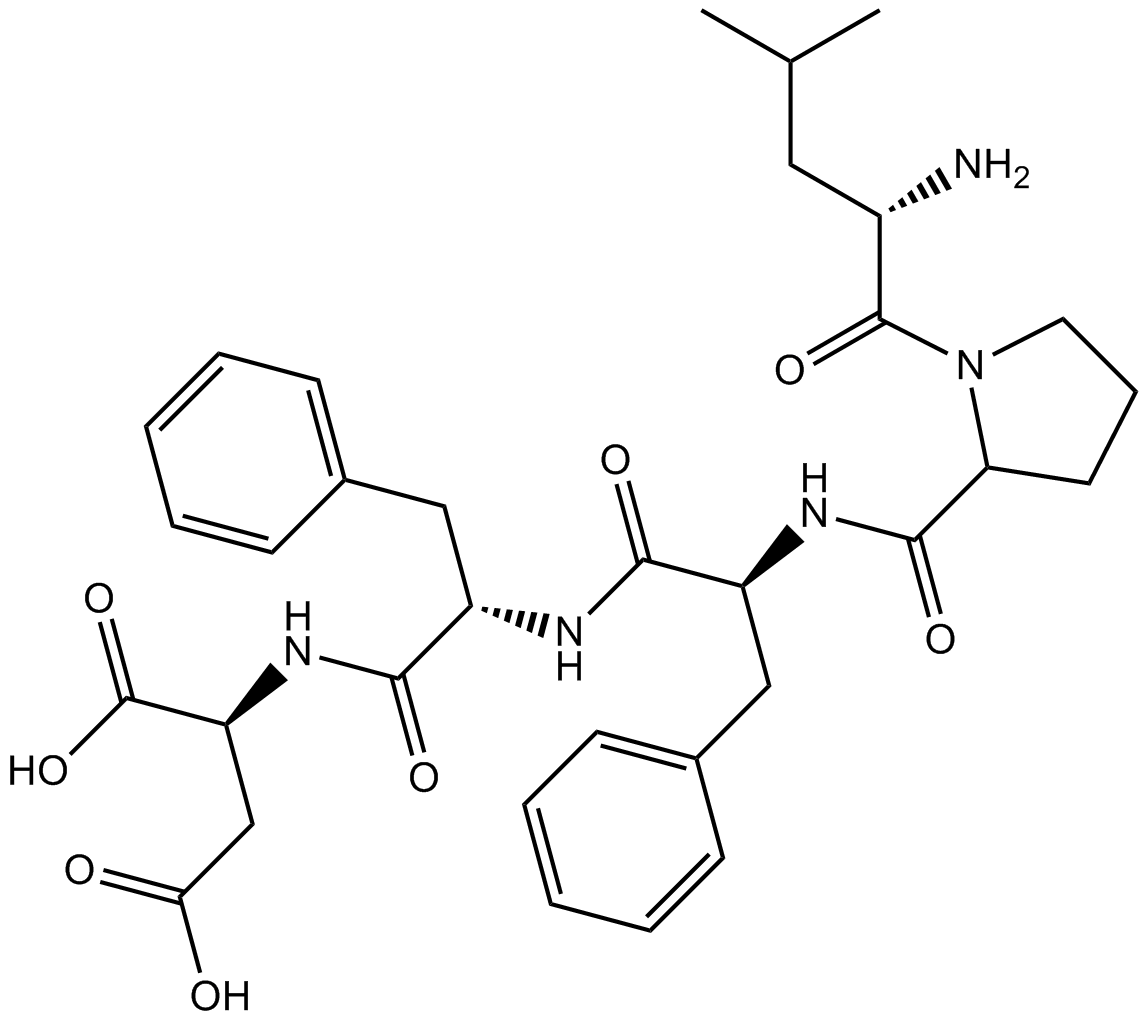
According to their structures and substrate specificity, MMPs are divided into five major groups: collagenases (e.g., MMP1), gelatinases (e.g., MMP2, MMP9), stromelysins (e.g., MMP3, MMP10), matrilysins (e.g., MMP7), and membrane-type MMPs [7]. Among them, MMP1 is a major collagenase that degrades t
-
br Materials and methods br Results The clinical
2024-12-21
Materials and methods Results The clinical characteristics of the two selected groups are shown in Table 1. As shown in Table 1, the enzyme activity of ATX in CSF of MS patients (59.90±3.09nmol/min/ml±SEM) was significantly higher (p Discussion Numerous studies have so far shown that ATX tak
-
br Acknowledgements br Introduction Thus
2024-12-21
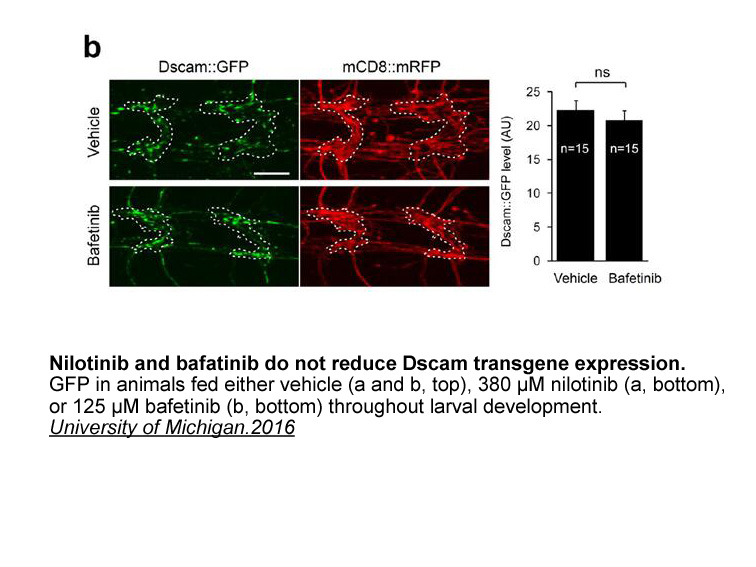
Acknowledgements Introduction Thus, damage to the other name for biotin may produce severe consequences (National Research Council, 1992). Indeed, though the nervous system has several compensatory and adaptive mechanisms, it is vulnerable to toxic insult, due to its inability to regenerate a
-
br Interaction between ASK and TRX
2024-12-20
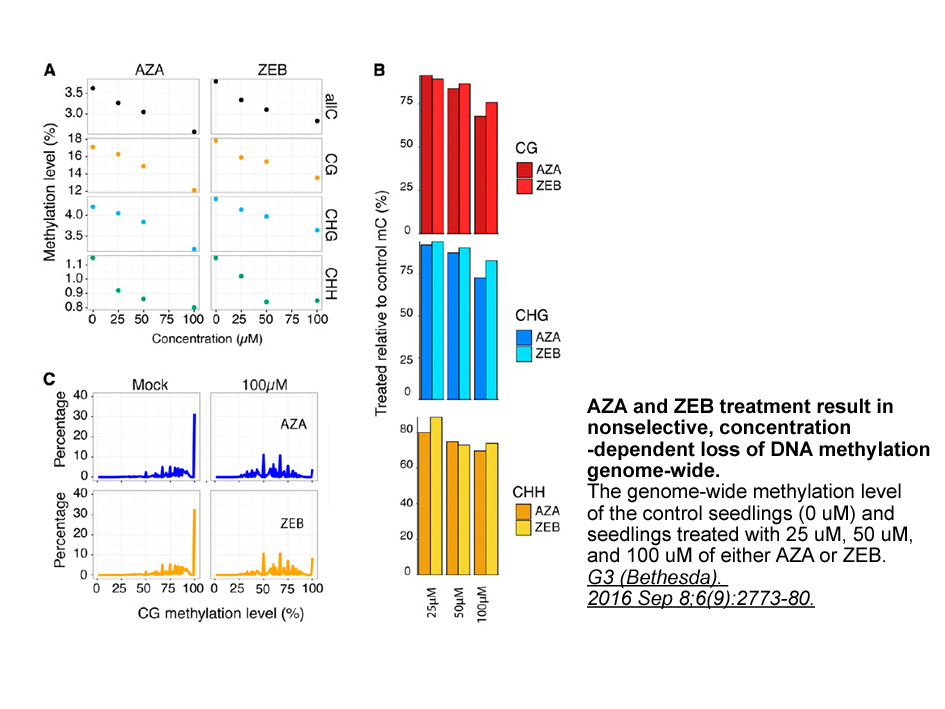
Interaction between ASK1 and TRX Thioredoxins are small (∼12kDa) dithiol oxidoreductases ubiquitously expressed in species ranging from plants to archaea and mammals. They perform various biological functions, such as reducing protein disulfide bonds, supplying reducing equivalents to redox Mifep
8593 records 69/573 page Previous Next First page 上5页 6667686970 下5页 Last page