Archives
- 2026-08
- 2026-07
- 2026-06
- 2026-05
- 2026-04
- 2026-03
- 2026-02
- 2026-01
- 2025-12
- 2025-11
- 2025-10
- 2025-09
- 2025-03
- 2025-02
- 2025-01
- 2024-12
- 2024-11
- 2024-10
- 2024-09
- 2024-08
- 2024-07
- 2024-06
- 2024-05
- 2024-04
- 2024-03
- 2024-02
- 2024-01
- 2023-12
- 2023-11
- 2023-10
- 2023-09
- 2023-08
- 2023-07
- 2023-06
- 2023-05
- 2023-04
- 2023-03
- 2023-02
- 2023-01
- 2022-12
- 2022-11
- 2022-10
- 2022-09
- 2022-08
- 2022-07
- 2022-06
- 2022-05
- 2022-04
- 2022-03
- 2022-02
- 2022-01
- 2021-12
- 2021-11
- 2021-10
- 2021-09
- 2021-08
- 2021-07
- 2021-06
- 2021-05
- 2021-04
- 2021-03
- 2021-02
- 2021-01
- 2020-12
- 2020-11
- 2020-10
- 2020-09
- 2020-08
- 2020-07
- 2020-06
- 2020-05
- 2020-04
- 2020-03
- 2020-02
- 2020-01
- 2019-12
- 2019-11
- 2019-10
- 2019-09
- 2019-08
- 2019-07
- 2019-06
- 2019-05
- 2019-04
- 2018-07
-
Our conclusion is in disagreement with that of
2021-03-18
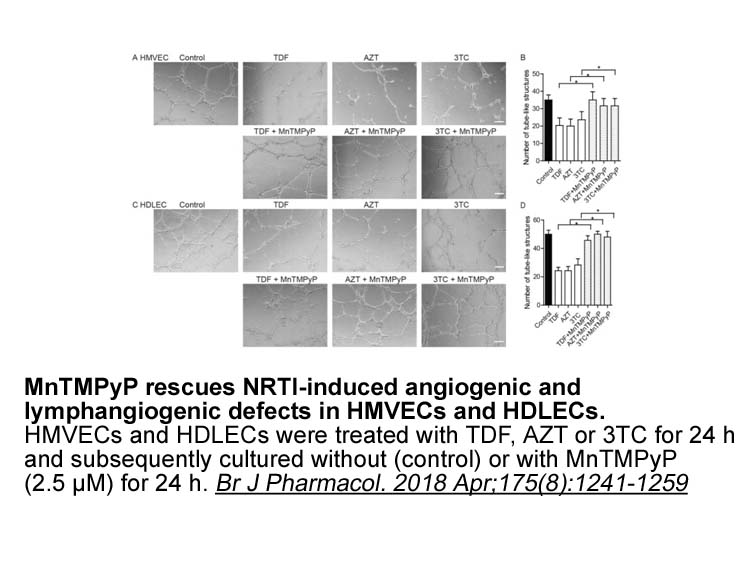
Our conclusion is in disagreement with that of a recent paper by Park et al. [10], which suggests that nitric oxide (NO) inhibition of VHL recruitment occurs by nitrosylation of the 520 cysteine in HIF-1α, and that SNAP does not directly inhibit hydroxylation of HIF peptide by HPH-2. Although this d
-
ERK and p MAPK signaling pathways play critical role in
2021-03-17
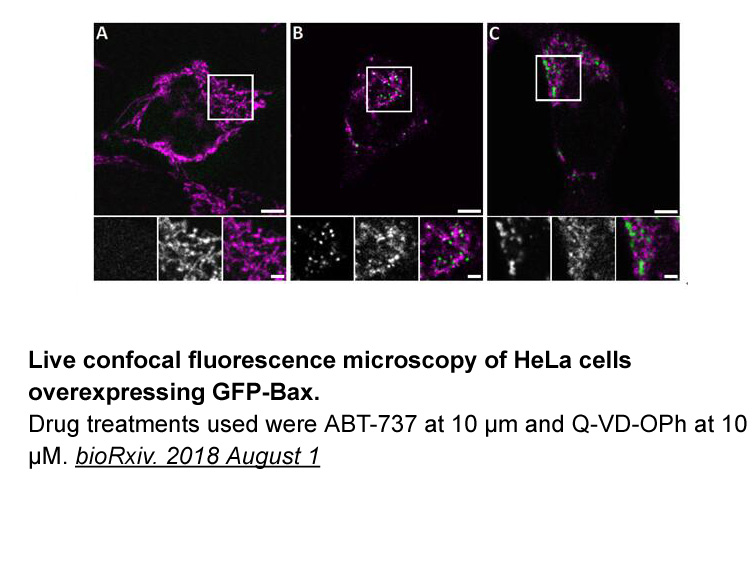
ERK and p38 MAPK signaling pathways play critical role in genesis and metastasis of melanoma (Tang et al., 2018). >50% of melanoma 2-Phenyl-2-(1-piperidinyl)propane receptor (Abildgaard and Guldberg, 2015) show abnormal activity of BRAF-RAS-RAF to activate MEK signal that drives the growth-promotin
-
For the current studies we used the selective
2021-03-17
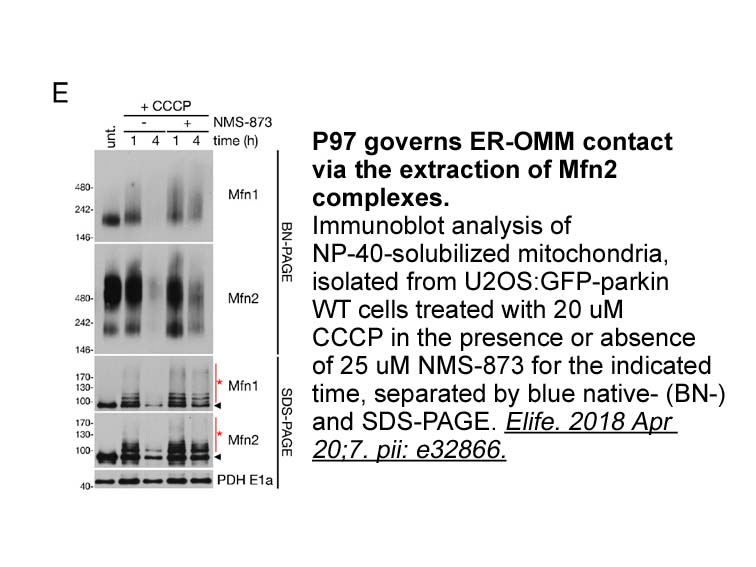
For the current studies, we used the selective Epac agonist 8CPT-AM to directly activate the proteins. We chose this pharmacological approach since it allows a direct activation of Epacs rather than using receptor agonists such as PGE2 which could introduce confounding variables. One potential conce
-
Exposure to ultraviolet radiation with sunlight is generally
2021-03-17
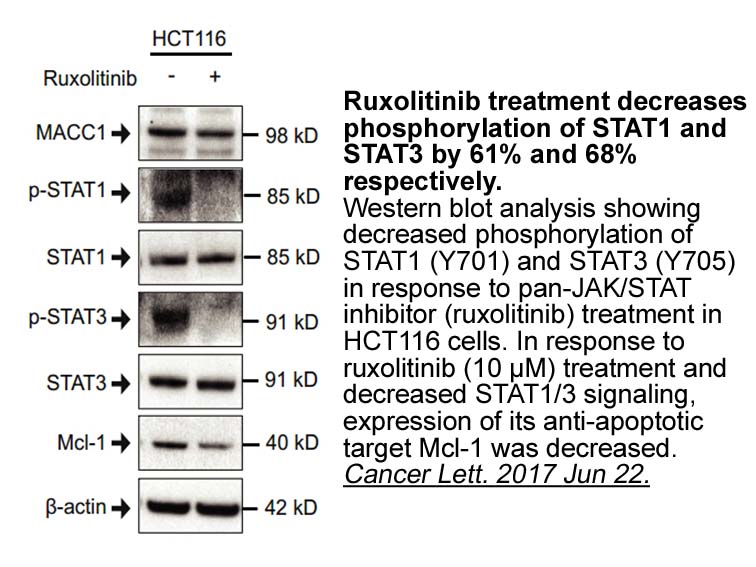
Exposure to ultraviolet radiation with sunlight is generally accepted as the major cause of basal-cell carcinoma (Gallagher et al., 1995). The risk of this disease is significantly increased by age. Skin cancers are the most common tumours of the head and neck region and their prevalence shows progr
-
Pyruvate dehydrogenase multienzyme complex PDHc catalyzes th
2021-03-17
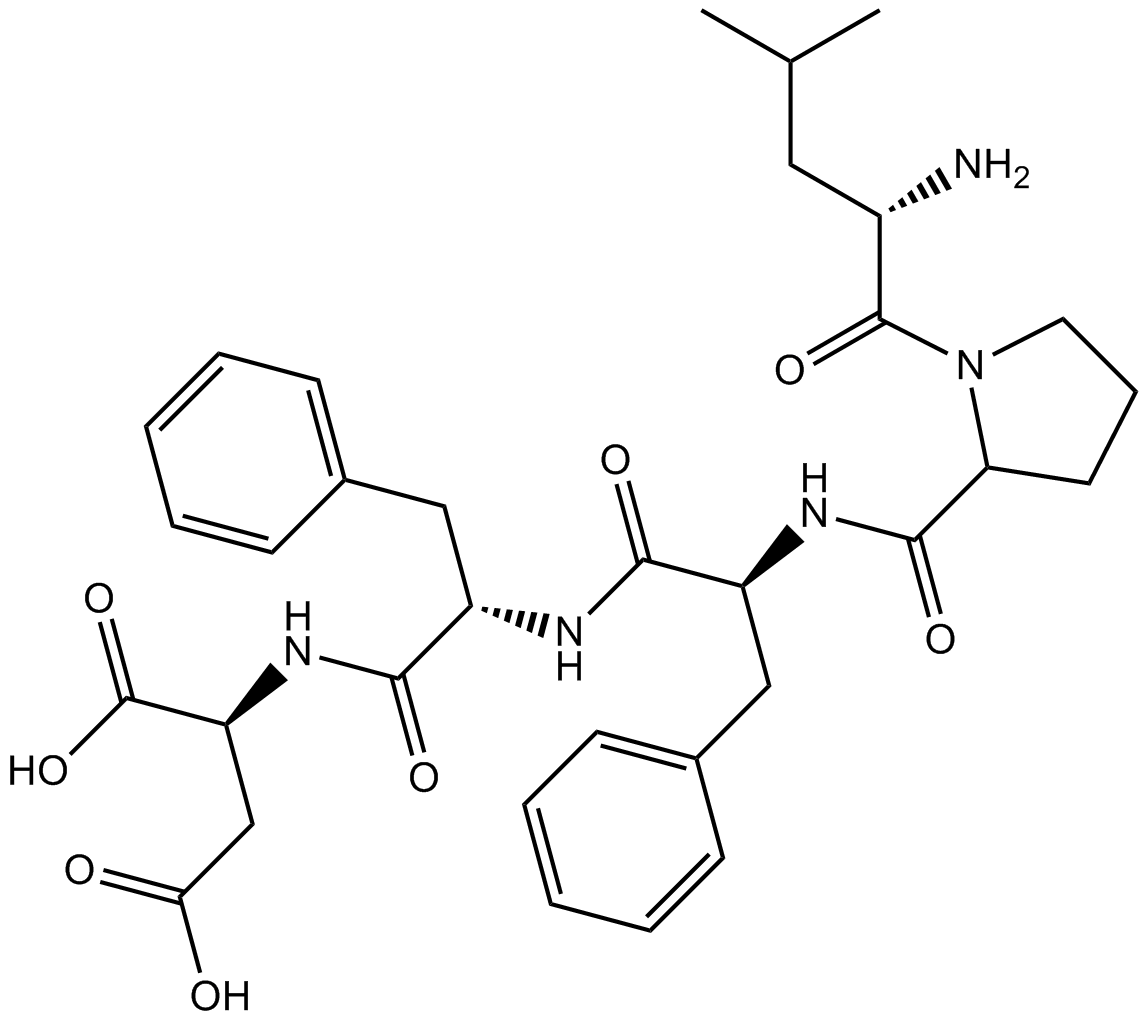
Pyruvate dehydrogenase multienzyme complex (PDHc) catalyzes the oxidative decarboxylation of pyruvate, and subsequently acetylates coenzyme A (CoA) to acetyl-CoA during the tricarboxylic Zinc protoporphyrin IX metabolic pathway using thiamine diphosphate (ThDP) and Mg2+ as cofactors. PDHc poses a k
-
In addition to cleaving ubiquitins off modified
2021-03-17
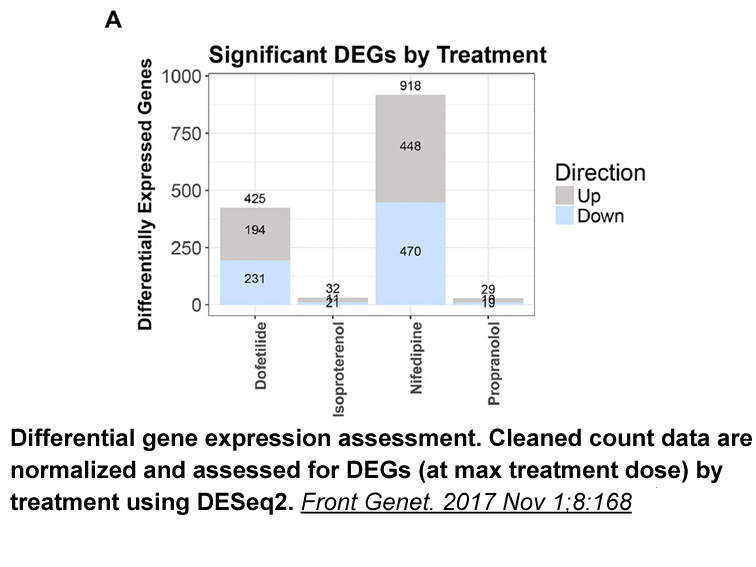
In addition to cleaving ubiquitins off modified proteins, DUBs can also cleave between ubiquitin moieties within a polyubiquitin chain to edit the ubiquitin signal. DUBs employ different strategies to recognize polyubiquitin (Figure 1). DUBs that rely only on interactions on the S1 site tend to be (
-
Although the implication of DA and glutamate signaling cross
2021-03-17
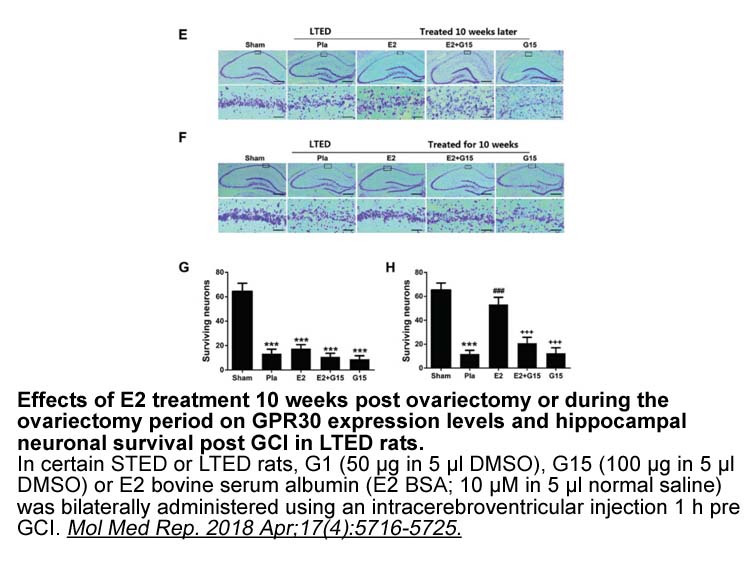
Although the implication of DA and glutamate signaling crosstalk in drug-evoked neuronal adaptations is well acknowledged, targeting the cognate receptors to alleviate symptoms is associated with a loss of efficacy over time and the appearance of severe sides effects, likely due to the involvement o
-
br Experimental Procedures br Author Contributions
2021-03-17
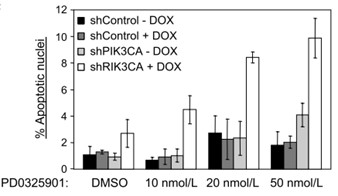
Experimental Procedures Author Contributions Acknowledgments Research in the Davis laboratory was supported by grants 4R37NS019904, 5R01NS052351, and 1R35NS097224 from NINDS. Research in the Martemyanov laboratory was supported by grants DA036596 and DA026405 from NIDA, and MH105482 from NI
-
Mammalian cells have two distinct DNA repair pathways for
2021-03-17
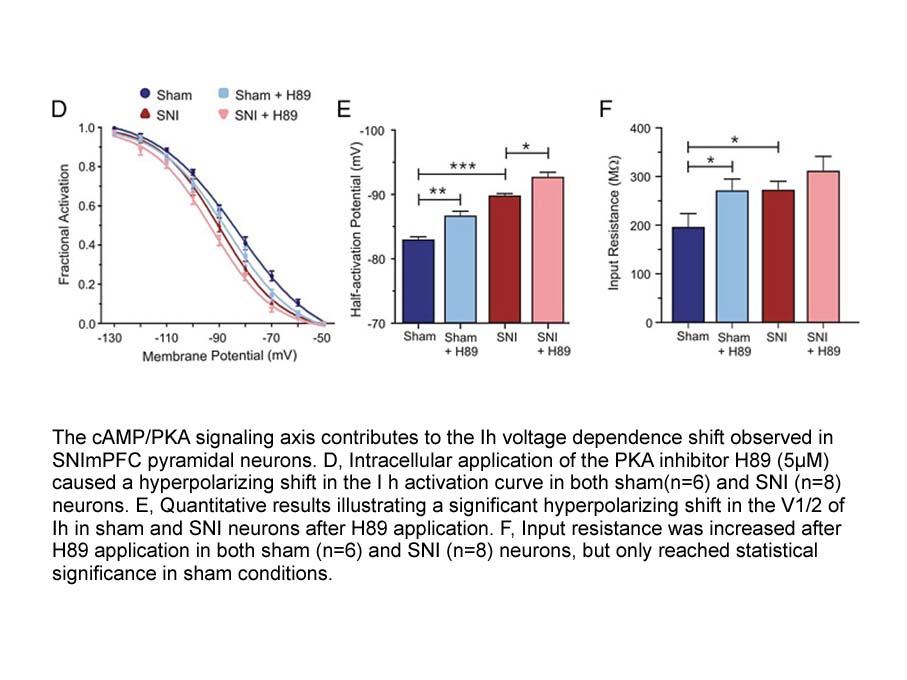
Mammalian ikk inhibitor have two distinct DNA repair pathways for DSBs, NHEJ and HR. Our data are consistent with the suggestion that the DNA–PK-mediated NHEJ pathway recognizes DSBs faster than the HR pathway and acts before the activation of the DNA damage S-phase checkpoint. The activation of NHE
-
Clodronate Disodium mg The DNA damage response DDR is a cell
2021-03-17

The DNA damage response (DDR) is a cellular mechanism that protects against DNA damage induced by endogenous and exogenous factors, it includes changes in cellular processes such as Clodronate Disodium mg regulation, DNA damage repair, apoptosis and chromatin remodeling. In recent years, the DDR ha
-
Although the ferromagnetic particles and T
2021-03-17

Although the ferromagnetic particles and T4 blasticidin on the particles were heated by the ac magnetic field, the average temperature of the reaction solution as a whole was kept suitably low for the annealing of DNA ends (16°C). Indeed, no appreciable increase in the temperature of the reaction so
-
The ability of minor groove binding agents to
2021-03-17
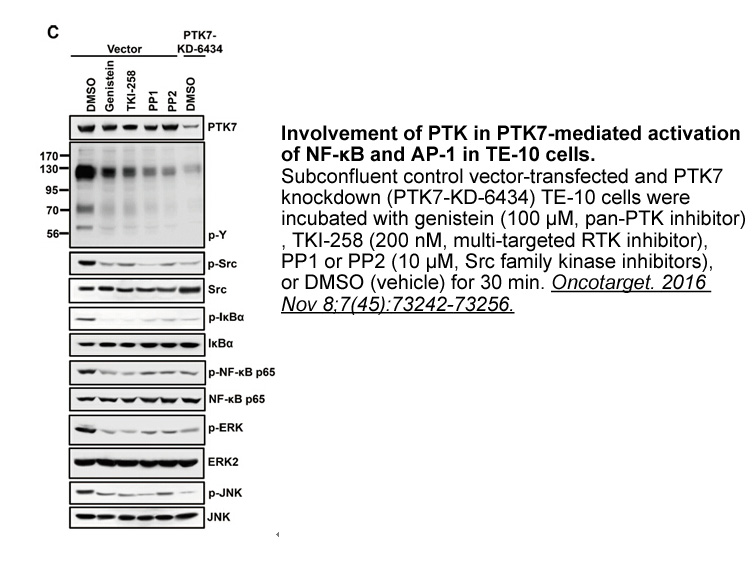
The ability of minor groove binding agents to inhibit the activity of DNA helicases is not without precedence. Similar effective inhibition of the unwinding of DNA by the BLM and Werner's DNA helicases by the minor groove binder distamycin A has been observed. Further, and similar to RecBCD, interca
-
Lenalidomide Compound was synthesized by the directed metall
2021-03-17
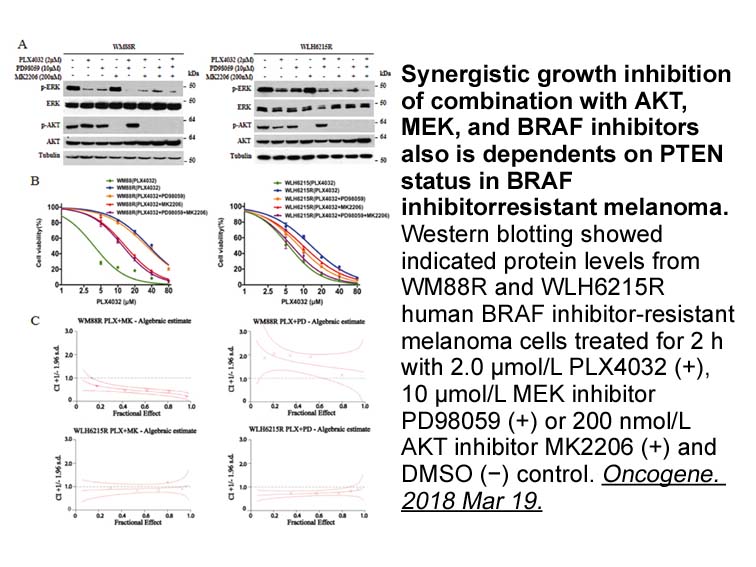
Compound () was synthesized by the directed -metallation procedure (DOM) at the stage of the amide using butyl lithium and dry ice as CO source for the introduction of the carboxylic group. Thiophene amides were prepared from commercial 3-thiophenecarboxylic Lenalidomide by conversion into the ac
-
The p controls transcription of several genes that affect th
2021-03-17
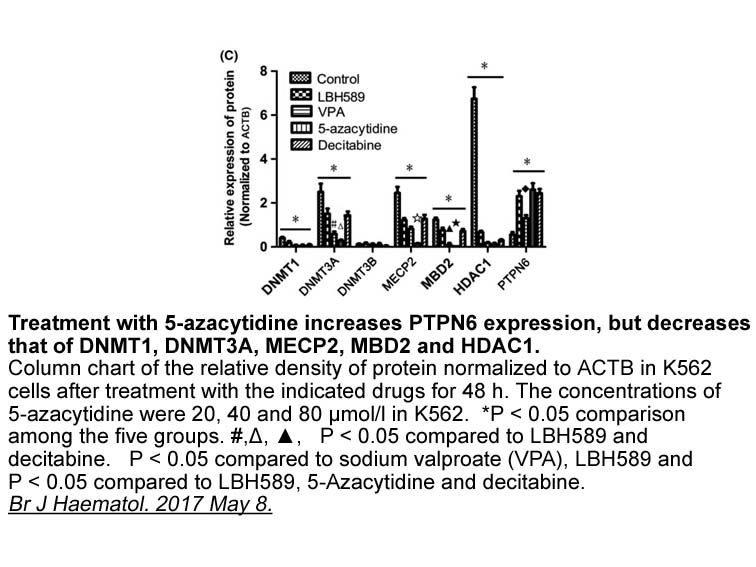
The p53 controls transcription of several genes that affect the release of cytochrome c in the mitochondrial apoptotic pathway [44]. In addition, p53 can induce a transcription-independent apoptosis through a direct interaction with the Bcl-2 family proteins [45]. However, the role of mitochondrial
-
Kluveromyces lactisSimilar to S cerevisiae K lactis is a fac
2021-03-17
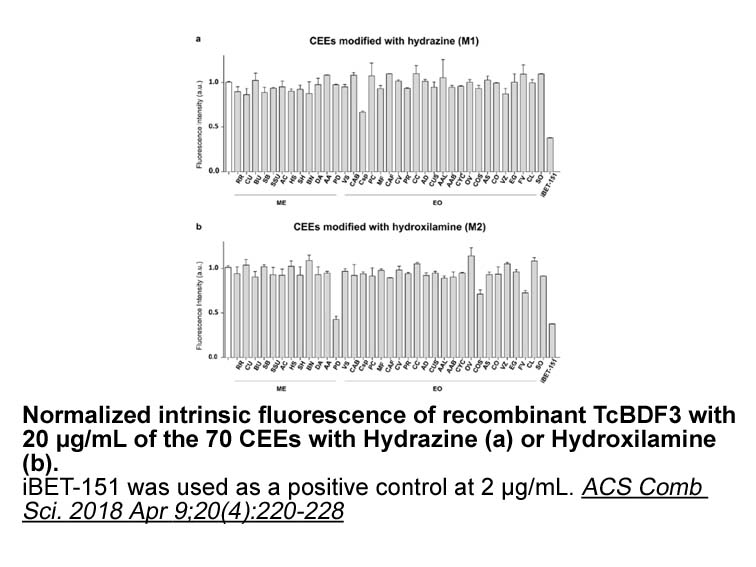
Kluveromyces lactisSimilar to S. cerevisiae, K. lactis is a facultative anaerobic respiratory yeast, which lacks Complex I in its mitochondrial respiratory chain. However, both yeasts differ regarding their respiratory-fermentative metabolism as K. lactis exhibits a greater use of the pentose phosph
16615 records 735/1108 page Previous Next First page 上5页 731732733734735 下5页 Last page